Practical Guide for UPVC Pipe for Irrigation for Optimal Performance
Choosing the true piping device can outline the long-term functionality and safety of any water infrastructure undertaking. UPVC water pipe approaches have emerged as a official desire for municipal consuming water, agricultural irrigation, and sewage packages. Unlike normal material, UPVC combines longevity with corrosion resistance, minimizing upkeep at the same time ensuring compliance with glossy hygiene and protection requisites.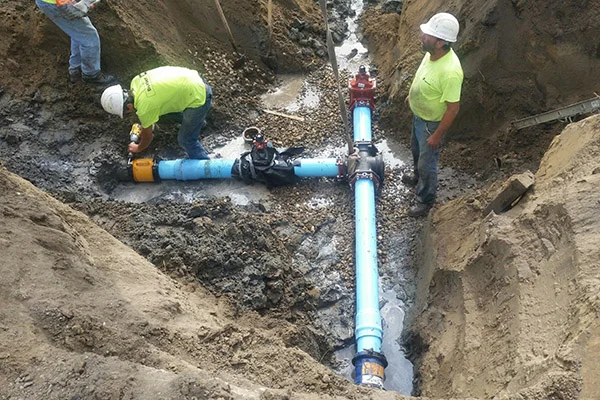
Why UPVC Pipes Are a Practical Choice
Urban water offer networks face challenges comparable to fluctuating pressures, chemical exposure, and the want for lengthy carrier existence. UPVC pipe for water supply meets those needs simply by a combo of drapery steadiness and engineered design. In exercise, installations in residential neighborhoods teach minimum leakage over years, even when working less than pressures of 6 to 16 bar. The rigid but lightweight nature of UPVC also simplifies transportation and decreases install hard work as compared to metallic alternate options.
Applications in Irrigation and Agriculture
For agricultural tasks, UPVC pipe for irrigation adds consistent water pass with no contamination risk. Farmers in semi-city areas most commonly record that accurately sized UPVC networks deal with uniform distribution, whether or not offering water to row crops or greenhouse techniques. Unlike metallic or older PVC editions, UPVC resists algae buildup, which might disrupt pass and clog emitters. Additionally, its chemical resistance ensures compatibility with fertilizers and water cure components.
Sewage and Wastewater Management
Handling sewage calls for pipes that resist corrosive supplies and fluctuating temperatures. UPVC pipe for sewage meets those criteria while putting forward mushy inside surfaces that cut back blockages. In municipal projects, the pipes’ dimensional balance reduces joint stress, and standardized fittings simplify community enlargement or repairs. Engineers recurrently opt for UPVC over basic fabrics since it balances structural integrity with long-term can charge efficiency.
Compliance and Standards
Quality and regulatory compliance are important for public infrastructure. UPVC techniques conforming to ISO1452 confirm hygienic water start whilst minimizing chemical leaching. This favourite additionally covers strain scores, joint overall performance, and long-time period toughness. In prepare, contractors employing qualified UPVC products record fewer guaranty trouble and smoother approvals from local experts, reinforcing the subject matter’s popularity for reliability.
Installation Considerations
Successful UPVC pipe installation depends on accurate making plans and managing. Key concerns come with:
- Correct pipe sizing to in shape drift premiums and rigidity requirements
- Use of gorgeous solvent cement or gasketed joints for leak-free connections
- Adequate give a boost to spacing to restrict sagging in horizontal runs
- Protection from direct sun all through storage to limit UV degradation
While the materials is lightweight, installers observe that chopping and becoming a member of pipes requires careful alignment. Improper innovations can compromise power functionality or diminish service life, specially in top-upward push water distribution systems or irrigation networks spanning a couple of hectares.
Performance Benefits
UPVC pipes integrate a couple of performance advantages that lead them to correct for distinctive functions:
- Corrosion resistance: No rusting or chemical degradation even in competitive environments
- Longevity: Service life pretty much exceeds 50 years in municipal and agricultural setups
- Low protection: Smooth inside surfaces shrink friction losses and clogging
- Cost performance: Lightweight pipes lower setting up and transportation costs
- Hygiene: Complies with ISO criteria for potable water delivery
Practical Insights from Field Experience
Field observations in urban water tasks reveal that integrating UPVC pipe platforms simplifies maintenance making plans. Valve replacements, community extensions, and emergency upkeep are speedier and safer as compared to metal choices. For irrigation projects, the modularity of UPVC pipes allows phased deployment, letting farmers strengthen networks in response to seasonal water calls for. Similarly, in wastewater techniques, delicate bore designs cut pumping potential and curb sediment buildup, making events cleansing much less widely used.
Choosing the Right UPVC Pipe
Selecting the best UPVC pipe calls for focus to diameter, wall thickness, and intended software. Engineers recurrently come to a decision thicker pipes for top-pressure mains at the same time opting for smaller diameters in distribution or irrigation traces. Matching the pipe specification to nearby water chemistry, drift necessities, and soil situations ensures functionality longevity. Reliable providers also supply documentation verifying ISO1452 compliance, simplifying regulatory approval.
Conclusion
Whether for urban water distribution, agricultural irrigation, or sewage control, UPVC pipes bring reliability, hygiene, and lengthy-time period cost efficiency. By combining corrosion resistance, ease of install, and compliance with ISO ideas, they present a realistic resolution across distinctive packages. For engineers and contractors trying a flexible and sturdy piping process, exploring upvc water pipe recommendations is a pragmatic step towards successful water control. Learn greater and evaluate the total product stove at UPVC Pipe for Irrigation.